
- blog
- 6+ Note
- Focus
- OSCP · Red Team
- Structure
- Recon → Exploit
Web Shell blog
Filters
 web hacking
RCE (Remote Code Execution): What it is, Vectors and Exploits
RCE in pentesting: Learn the vectors that lead to Remote Code Execution, how to verify them, get a shell, and initiate post-exploitation.
Discover more Discover more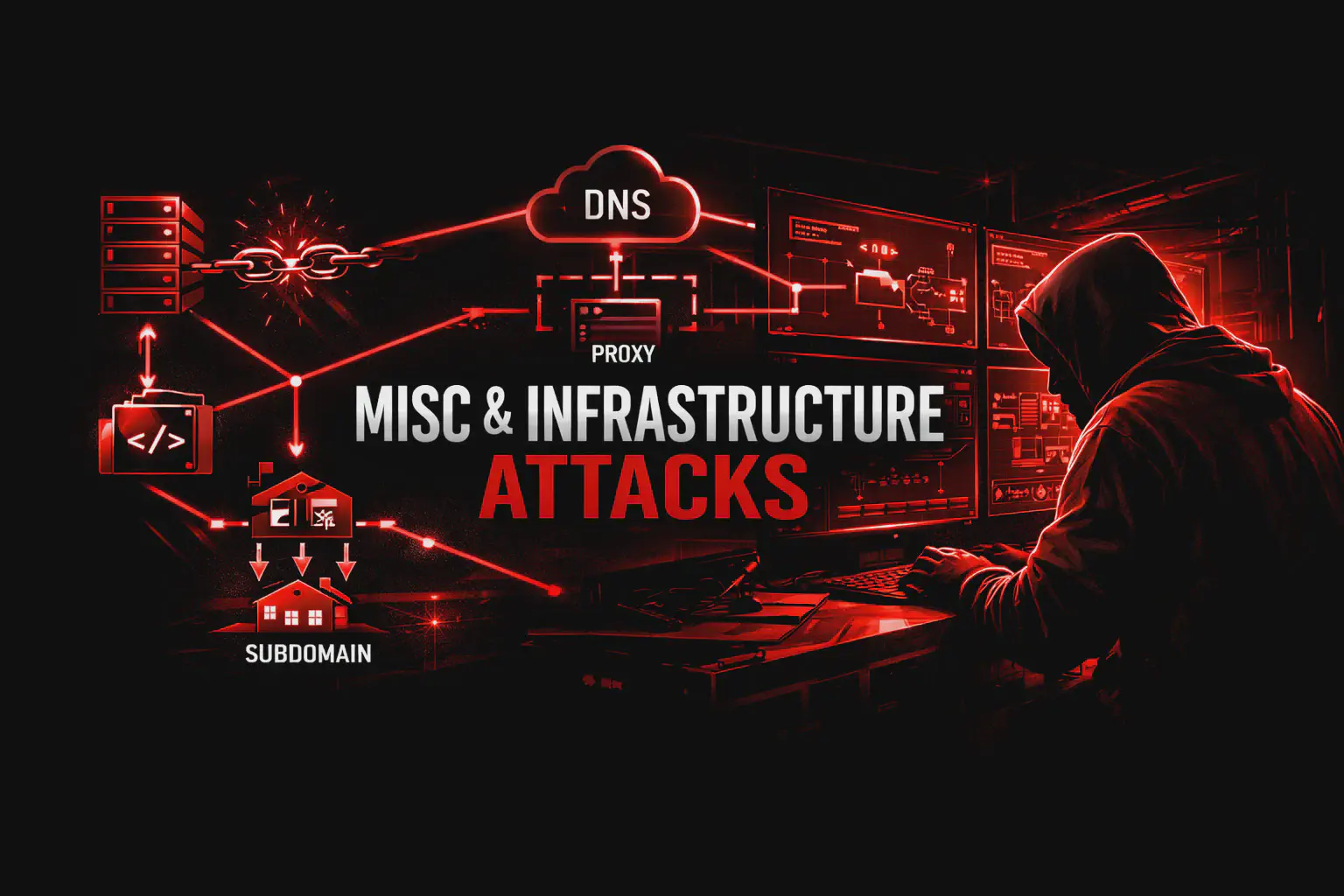 web hacking
Misc & Infrastructure Attacks: Subdomain Takeover, Race Condition, Request Smuggling
A comprehensive guide to the most underestimated vulnerabilities in web pentesting: Subdomain Takeover, HTTP Request Smuggling, Race Conditions, Deserialization, and Cache Poisoning. Real-world techniques, payloads, and enterprise attack chains.
Discover more Discover more web hacking
File Upload Attack: Bypass, Polyglot and Web Shell
Learn how to exploit a file upload attack in web pentesting: extension bypass, Content-Type, magic bytes, polyglot, and RCE via web shell.
Discover more Discover more web hacking
File & Path Attacks: LFI, Upload and Path Traversal
Guide to file & path attacks in web pentesting: path traversal, LFI, file upload, web shell, Zip Slip, backup exposure and file read.
Discover more Discover more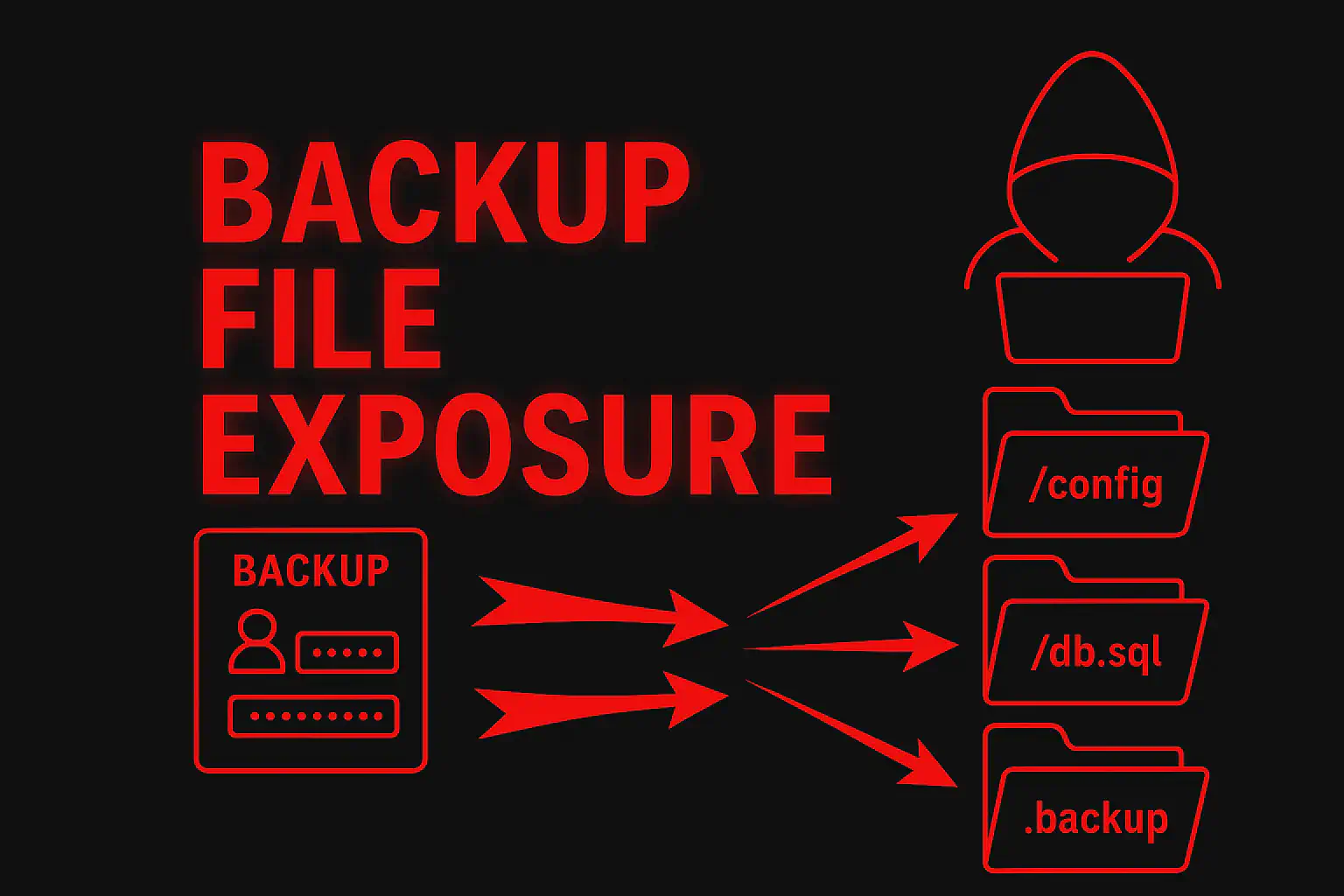 web hacking
Backup Exposure: SQL, .env and ZIP Dumps Exposed
Learn how to find exposed backup files in web pentesting: SQL dumps, .env, ZIP, and config.bak with feroxbuster, ffuf, and real-world techniques.
Discover more Discover more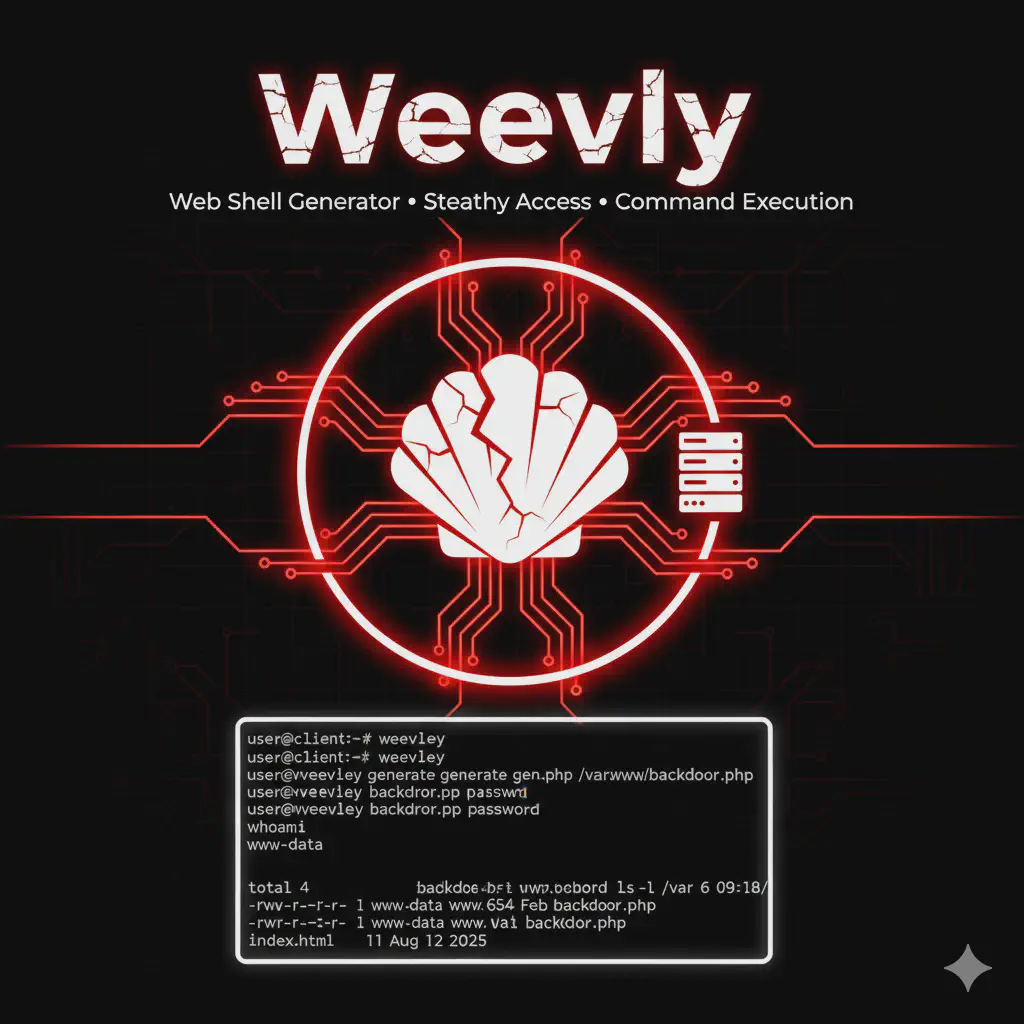 tools
Weevely3: PHP Stealth Web Shell for Post-Exploitation and Pivoting
Weevely3: A practical guide to generating and managing stealthy PHP web shells in penetration testing. Tunneling, evasion, and post-exploitation.
Discover more Discover more